
Wind turbines are complex and expensive pieces of machinery that play a crucial role in the generation of renewable energy. One of the key components of a wind turbine is the oil seal. As a Wind Turbine Oil Seal supplier, I often get asked the question: How often should a wind turbine oil seal be replaced? In this blog post, I will explore the factors that influence the replacement frequency and provide some general guidelines.
Understanding the Role of Wind Turbine Oil Seals
Before delving into the replacement frequency, it's essential to understand the function of wind turbine oil seals. These seals are designed to prevent the leakage of lubricating oil from the gearbox, bearings, and other critical components of the wind turbine. By maintaining the proper lubrication environment, the seals help reduce friction, wear, and tear, ultimately extending the lifespan of the machinery. Moreover, they prevent contaminants such as dust, dirt, and moisture from entering the system, which could otherwise cause damage to the components.
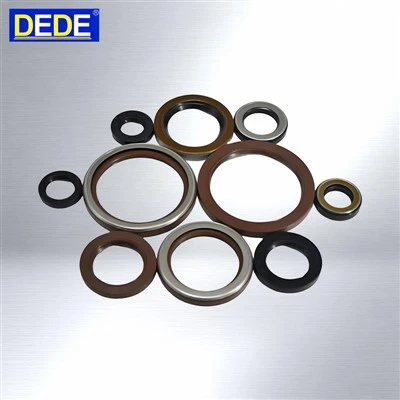
There are different types of wind turbine oil seals, including Wind Turbine Oil Seal, Wind Power Seal, Wind Turbine Shaft Seal, Wind Energy Oil Seal, and Wind Turbine Main Shaft Seal. Each type is engineered to meet specific requirements and operating conditions within the wind turbine.
Factors Influencing the Replacement Frequency
The replacement frequency of wind turbine oil seals is not a one - size - fits - all answer. It depends on several factors, including:
Operating Conditions
The environment in which the wind turbine operates is a significant factor. Wind turbines located in harsh environments, such as offshore locations or deserts, are exposed to more extreme conditions. Offshore turbines face high humidity, saltwater corrosion, and strong winds, while desert turbines are subjected to high temperatures and large amounts of dust. These harsh conditions can accelerate the wear and tear of the oil seals, reducing their lifespan. In contrast, turbines in more temperate and less dusty environments may require less frequent seal replacements.
Usage and Load
The intensity of use and the load on the wind turbine also impact the seal's lifespan. If a wind turbine operates at high capacity for extended periods, the mechanical stress on the seals will be greater. Similarly, turbines that experience frequent start - stop cycles or sudden changes in load can cause additional stress on the oil seals. For example, a turbine located in an area with variable wind speeds may have a shorter seal lifespan compared to one in a region with more consistent winds.
Quality of the Seal
The quality of the wind turbine oil seal itself is a determining factor. High - quality seals are typically made from advanced materials and precise manufacturing processes. They are more resistant to wear, temperature variations, and chemical exposure. As a supplier, we ensure that our Wind Turbine Oil Seal products are of the highest quality, which can potentially extend the time between replacements.
Maintenance Practices
Regular maintenance of the wind turbine can significantly influence the lifespan of the oil seals. Routine inspections can detect early signs of seal wear, such as oil leakage or visible damage. timely maintenance, including cleaning, lubrication, and adjustment of the components, can help extend the useful life of the seals. Inadequate maintenance, on the other hand, can lead to premature failure of the seals.

General Guidelines for Replacement
Based on industry experience and research, the following are some general guidelines for the replacement of wind turbine oil seals:
Initial Inspection
After installation, the oil seals should be inspected regularly for the first few months of operation. This initial inspection can help identify any manufacturing defects or installation issues that may cause premature wear. Inspections can be carried out every 1 - 3 months depending on the turbine's operating conditions.
Standard Operating Conditions
For wind turbines operating under normal or standard conditions, oil seals may be replaced every 3 - 5 years. This timeframe is based on the assumption that the turbine is located in a relatively stable environment, with consistent wind speeds, and proper maintenance is carried out.
Harsh Operating Conditions
In harsh environments, such as offshore or desert locations, the replacement interval may be reduced to 2 - 3 years. The extreme conditions in these areas can cause the seals to degrade more quickly, so more frequent replacements are necessary to ensure the proper functioning of the wind turbine.
Monitoring and Condition - Based Maintenance
In addition to following a fixed replacement schedule, many wind turbine operators are now adopting condition - based maintenance strategies. This approach involves using sensors and monitoring systems to continuously assess the condition of the oil seals. For example, sensors can detect oil leakage, temperature changes, and vibration levels, which can indicate seal degradation. By using condition - based maintenance, operators can replace the seals only when necessary, potentially reducing costs and downtime.
Importance of Timely Replacement
Timely replacement of wind turbine oil seals is crucial for several reasons. Firstly, a worn or damaged seal can lead to oil leakage, which not only results in the loss of lubrication but can also contaminate the surrounding environment. Secondly, if contaminants enter the system due to a faulty seal, they can cause damage to the gears, bearings, and other components, leading to costly repairs or even the complete failure of the wind turbine. Thirdly, maintaining the integrity of the oil seals helps optimize the performance of the wind turbine, ensuring maximum energy generation.
Partnering with a Reliable Supplier
As a Wind Turbine Oil Seal supplier, we understand the importance of providing high - quality products and reliable support. Our Wind Turbine Oil Seal products are designed to meet the highest industry standards and are suitable for a wide range of wind turbine applications. We also offer technical assistance to help customers determine the best replacement schedule based on their specific operating conditions.
If you are involved in the wind energy industry and are looking for a reliable partner for your wind turbine oil seal needs, we invite you to contact us for procurement and detailed discussions. Working with us will ensure that you get the best - in - class products and support to keep your wind turbines running efficiently.
References
- International Electrotechnical Commission (IEC). "Wind turbine generator systems – Part 1: Design requirements." IEC 61400 - 1, 2021.
- American Wind Energy Association (AWEA). "Wind Turbine Maintenance Best Practices." AWEA Report, 2020.
- European Academy of Wind Energy (EAWE). "Research on Wind Turbine Component Lifespan and Maintenance." EAWE Publication, 2019.