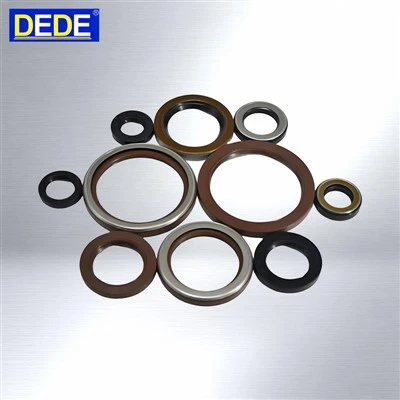

In the realm of renewable energy, wind turbines stand as monumental symbols of progress and sustainability. These colossal structures harness the power of the wind to generate electricity, contributing significantly to reducing our reliance on fossil fuels. At the heart of a wind turbine's efficient operation lies a multitude of intricate components, each playing a crucial role in maintaining its performance and longevity. One such often-overlooked yet vital component is the dust lip in a wind turbine oil seal. As a leading Wind Turbine Oil Seal supplier, I am excited to delve into the fascinating world of wind turbine seals and explore the essential functions of the dust lip.
Understanding Wind Turbine Oil Seals
Before we dive into the specifics of the dust lip, let's first understand the broader context of wind turbine oil seals. These seals are designed to prevent the leakage of lubricating oil from the gearbox, generator, and other critical components of a wind turbine. At the same time, they also serve to keep contaminants such as dust, dirt, water, and debris out of these components, ensuring their proper functioning and preventing premature wear and tear.
Wind turbine oil seals are typically made from high-quality elastomeric materials such as nitrile rubber (NBR), fluorocarbon rubber (FKM), or silicone rubber (VMQ), which offer excellent resistance to oil, heat, and environmental factors. They are engineered to withstand the harsh operating conditions of wind turbines, including high speeds, extreme temperatures, and varying pressures.
The Role of the Dust Lip
The dust lip is an integral part of a wind turbine oil seal, and its primary function is to provide an additional barrier against contaminants. It is typically located on the outer diameter of the seal and is designed to make contact with the shaft or housing, creating a tight seal that prevents the ingress of dust, dirt, and other foreign particles.
One of the key advantages of the dust lip is its ability to protect the primary sealing lip of the oil seal. The primary sealing lip is responsible for preventing the leakage of oil, while the dust lip acts as a first line of defense against contaminants. By keeping the primary sealing lip clean and free from debris, the dust lip helps to extend the lifespan of the seal and reduce the risk of oil leakage.
In addition to protecting the primary sealing lip, the dust lip also helps to prevent the accumulation of contaminants inside the seal. Over time, dust and dirt can build up inside the seal, causing abrasion and wear on the sealing surfaces. This can lead to a decrease in sealing performance and an increased risk of oil leakage. The dust lip helps to prevent this by scraping off any contaminants that come into contact with the shaft or housing, ensuring that they do not enter the seal.
Another important function of the dust lip is to provide a degree of flexibility and adaptability to the seal. Wind turbines are subject to a variety of dynamic forces, including vibrations, thermal expansion and contraction, and shaft misalignment. These forces can cause the seal to deform or move, which can affect its sealing performance. The dust lip helps to compensate for these movements by providing a flexible barrier that can conform to the shape of the shaft or housing, ensuring a tight seal even under challenging conditions.
Design Considerations for Dust Lips
When designing a dust lip for a wind turbine oil seal, several factors need to be taken into consideration to ensure optimal performance. These factors include the material selection, the shape and geometry of the dust lip, and the contact pressure between the dust lip and the shaft or housing.
The material selection for the dust lip is critical, as it needs to offer excellent resistance to wear, abrasion, and environmental factors. High-quality elastomeric materials such as NBR, FKM, or VMQ are commonly used for dust lips, as they offer a good balance of mechanical properties, chemical resistance, and temperature stability.
The shape and geometry of the dust lip also play a crucial role in its performance. A well-designed dust lip should have a sharp edge that can effectively scrape off contaminants from the shaft or housing. The angle of the dust lip should be optimized to provide the best possible sealing performance while minimizing the risk of damage to the shaft or housing.
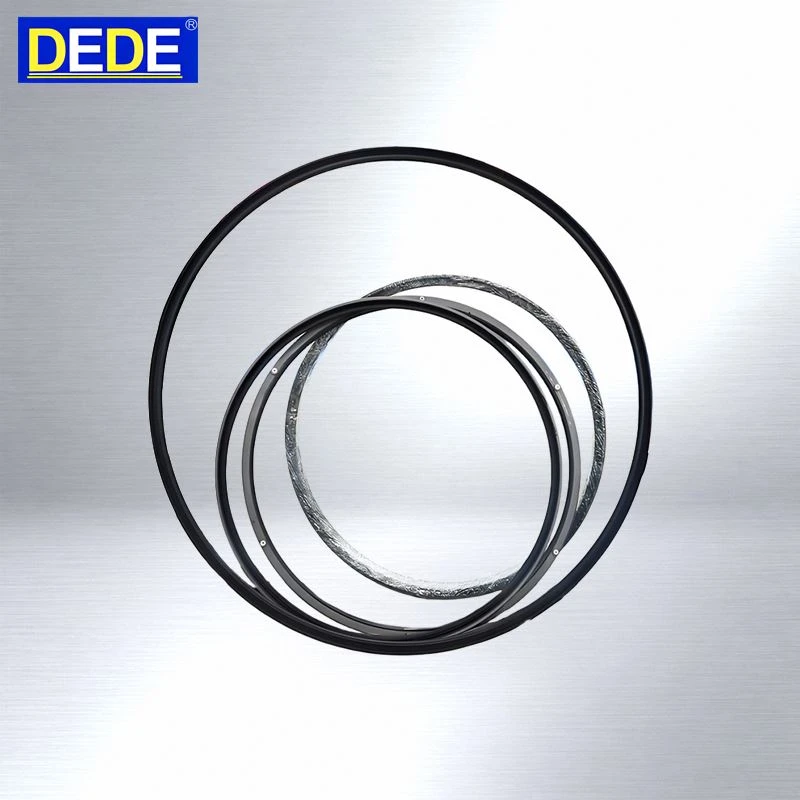

The contact pressure between the dust lip and the shaft or housing is another important factor to consider. Too much contact pressure can cause excessive wear on the dust lip and the shaft or housing, while too little contact pressure can result in a poor seal and an increased risk of contamination. The contact pressure should be carefully calibrated to ensure a tight seal without causing unnecessary wear or damage.
Maintenance and Inspection of Dust Lips
To ensure the continued performance of the dust lip in a wind turbine oil seal, regular maintenance and inspection are essential. This includes checking the condition of the dust lip for signs of wear, damage, or contamination, and replacing it if necessary.
During maintenance and inspection, it is also important to clean the shaft and housing to remove any accumulated dirt or debris. This can help to prevent the dust lip from becoming clogged or damaged, ensuring its proper functioning.
In addition to regular maintenance and inspection, it is also important to use high-quality replacement parts when replacing the dust lip or the entire oil seal. Using inferior quality parts can result in poor sealing performance, increased wear and tear, and a higher risk of oil leakage.
Conclusion
In conclusion, the dust lip in a wind turbine oil seal plays a crucial role in protecting the primary sealing lip, preventing the ingress of contaminants, and ensuring the long-term performance of the seal. As a Wind Turbine Oil Seal supplier, we understand the importance of providing high-quality seals that meet the demanding requirements of the wind energy industry. Our Wind Power Seal, Wind Turbine Main Shaft Seal, Wind Energy Oil Seal, and Wind Turbine Shaft Seal are designed with state-of-the-art technology and high-quality materials to provide superior sealing performance and reliability.
If you are in the market for wind turbine oil seals or have any questions about our products, we invite you to contact us to discuss your specific needs and requirements. Our team of experts is dedicated to providing you with the best possible solutions and support to ensure the success of your wind energy projects.
References
- "Wind Turbine Sealing Technology," Handbook of Wind Energy Systems, Springer, 2019.
- "Advances in Elastomer Materials for Sealing Applications in Wind Turbines," Journal of Elastomers and Plastics, Vol. 45, No. 3, 2013.
- "Design and Optimization of Oil Seals for Wind Turbine Applications," Proceedings of the ASME International Mechanical Engineering Congress and Exposition, 2016.