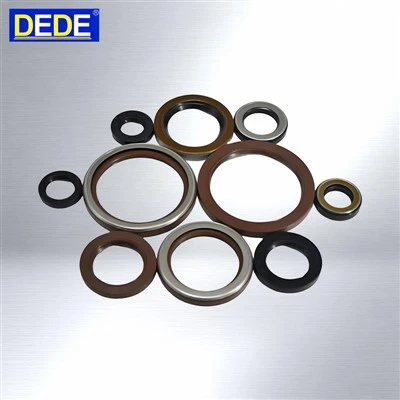

In the world of industrial engineering, the ability of components to withstand wear and tear is of paramount importance. Bonded seals, a specialty of our company as a leading bonded seal supplier, play a crucial role in various applications, and their resistance to abrasion is a key factor in their performance. This blog post will delve into the mechanisms by which bonded seals resist abrasion, exploring the materials, design, and manufacturing processes that contribute to their durability.
Understanding Abrasion in Industrial Seals
Abrasion in seals is the gradual process of material removal due to the rubbing or scraping action between the seal and the mating surfaces. This can be caused by a variety of factors, including the presence of abrasive particles in the fluid or gas being sealed, relative motion between the seal and the housing, and high-pressure conditions. Abrasion can lead to seal failure, resulting in leaks, reduced efficiency, and potential damage to the surrounding equipment.
Materials Used in Bonded Seals
The choice of materials is fundamental to the abrasion resistance of bonded seals. Our company uses a combination of high-quality metals and elastomers to create seals that are both strong and flexible.
Metal Components
The metal part of a bonded seal provides structural support and dimensional stability. Common metals used include stainless steel, carbon steel, and brass. These metals are chosen for their strength, corrosion resistance, and ability to withstand high temperatures. For example, stainless steel is often used in applications where the seal will be exposed to harsh chemicals or high humidity, as it resists rust and corrosion. The metal component also helps to transfer loads evenly across the seal, reducing the stress concentration that can lead to abrasion.
Elastomer Components
Elastomers are the soft, rubber-like materials that provide the sealing function in bonded seals. They are chosen for their elasticity, chemical resistance, and ability to conform to irregular surfaces. Some of the most commonly used elastomers in bonded seals include nitrile rubber (NBR), fluorocarbon rubber (FKM), and silicone rubber (VMQ). Each elastomer has its own unique properties that make it suitable for different applications. For instance, NBR is known for its excellent resistance to oil and fuel, making it a popular choice for automotive and industrial applications. FKM, on the other hand, has exceptional resistance to high temperatures and chemicals, making it ideal for use in harsh environments.
The Bonding Process
The bonding process is a critical step in the manufacturing of bonded seals, as it determines the strength and durability of the bond between the metal and the elastomer. A strong bond is essential for abrasion resistance, as it ensures that the elastomer remains firmly attached to the metal during operation.
At our company, we use advanced bonding techniques to ensure a secure and long-lasting bond. One such technique is vulcanization, which involves heating the elastomer and the metal in the presence of a curing agent. This process causes the elastomer to cross-link, forming a strong, three-dimensional network that is firmly bonded to the metal surface. The quality of the bond is also influenced by the surface preparation of the metal, which typically involves cleaning, degreasing, and roughening the surface to improve adhesion.
Design Considerations for Abrasion Resistance
In addition to the materials and bonding process, the design of the bonded seal also plays a significant role in its abrasion resistance.
Seal Geometry
The geometry of the seal is carefully designed to minimize the contact area between the seal and the mating surfaces, reducing the frictional forces that can cause abrasion. For example, some bonded seals are designed with a lip or flange that provides a sealing surface while reducing the amount of contact with the housing. This design feature helps to distribute the load evenly across the seal, preventing localized wear and tear.
Clearance and Tolerance
Proper clearance and tolerance are also important for abrasion resistance. The seal must be designed to fit snugly in the housing, but not so tightly that it causes excessive friction. Our engineers use precise machining and measurement techniques to ensure that the seals meet the required clearance and tolerance specifications, allowing for smooth operation and minimal abrasion.

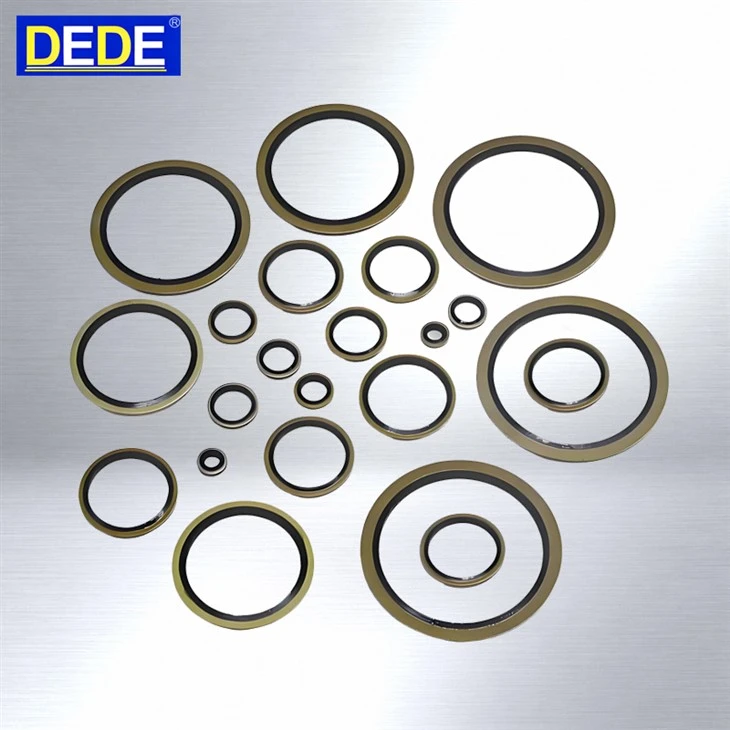
Applications of Abrasion-Resistant Bonded Seals
Abrasion-resistant bonded seals are used in a wide range of applications across various industries.
Automotive Industry
In the automotive industry, bonded seals are used in engines, transmissions, and other critical components. For example, Metal Rubber Washer and Dowty Oil Seal are commonly used to seal oil and coolant systems, preventing leaks and ensuring the efficient operation of the vehicle. These seals must be able to resist abrasion caused by the movement of engine parts and the presence of contaminants in the fluid.
Aerospace Industry
The aerospace industry also relies on high-performance bonded seals to ensure the safety and reliability of aircraft. Bonded Oil Seal and USIT Seal are used in various applications, including hydraulic systems, fuel systems, and landing gear. These seals must be able to withstand extreme temperatures, high pressures, and the presence of abrasive particles in the environment.
Manufacturing Industry
In the manufacturing industry, bonded seals are used in machinery and equipment to prevent the leakage of fluids and gases. USIT Ring Seal is often used in pumps, valves, and other industrial components, providing a reliable and durable sealing solution. These seals must be able to resist abrasion caused by the movement of machine parts and the presence of contaminants in the fluid.
Contact Us for Your Bonded Seal Needs
As a trusted bonded seal supplier, we are committed to providing our customers with high-quality, abrasion-resistant seals that meet their specific requirements. Our team of experienced engineers and technicians can work with you to design and manufacture custom seals for your application.
If you are looking for a reliable bonded seal solution, we invite you to contact us to discuss your needs. Our sales team will be happy to provide you with more information about our products and services, and we can work with you to find the best solution for your application. Don't hesitate to reach out and let us help you find the perfect bonded seal for your needs.
References
- [1] "Sealing Technology Handbook," edited by Heinz P. Bloch and Fred K. Geitner.
- [2] "Elastomers and Their Applications," by Brian A. Howell.
- [3] "Engineering Tribology," by Mike Field and Howard S. Owen.