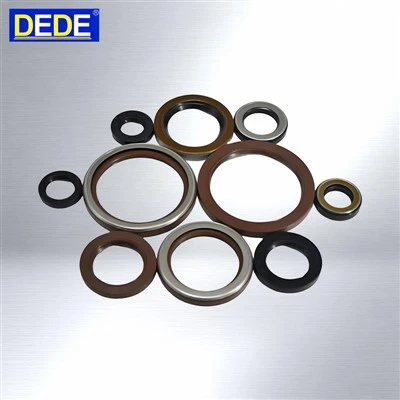

As a supplier of Wind Energy Oil Seals, I've been getting a lot of questions lately about the standard sizes of these crucial components. So, I thought I'd take a moment to break it down here and share what I know.
Understanding the Basics of Wind Energy Oil Seals
First off, let's briefly talk about what wind energy oil seals do. These seals play a vital role in wind turbines. They prevent lubricating oil from leaking out of the gearbox, generator, and other critical parts of the turbine. At the same time, they keep dirt, dust, and moisture from getting in. This helps in maintaining the efficiency and longevity of the wind turbine. There are various types of Wind Energy Oil Seals, and each comes with different sizes based on its specific application.
Why Standard Sizes Matter
Standard sizes are super important in the wind energy industry. For one, they ensure compatibility between different parts of the wind turbine. When all the components, including the oil seals, are of standard sizes, it's easier to replace and install them. This reduces the downtime of the wind turbine during maintenance and repair work. Also, using standard sizes can lead to cost savings. Since many manufacturers produce these common - sized seals, there's more competition in the market, which can drive down the prices.
Common Standard Sizes
Shaft Sizes
The size of a wind energy oil seal is often defined by the shaft size it fits around. In wind turbines, common shaft diameters for which oil seals are designed range from relatively small ones used in the auxiliary systems to much larger ones in the main shaft. For auxiliary systems, shaft diameters can be anywhere from 20mm to 100mm. These smaller seals are used in various sensors, pumps, and small - scale motors within the wind turbine.
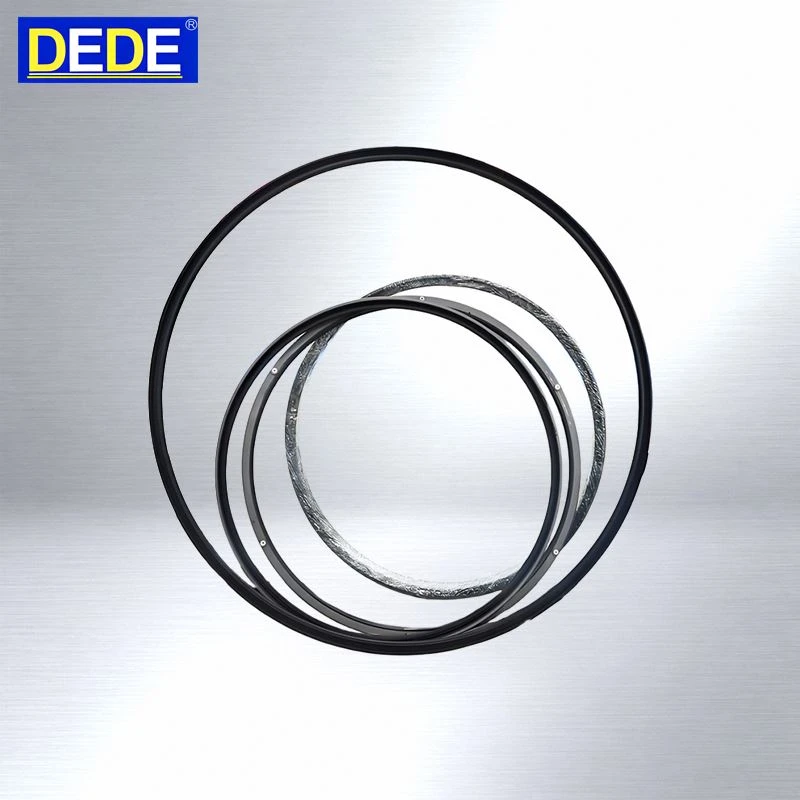
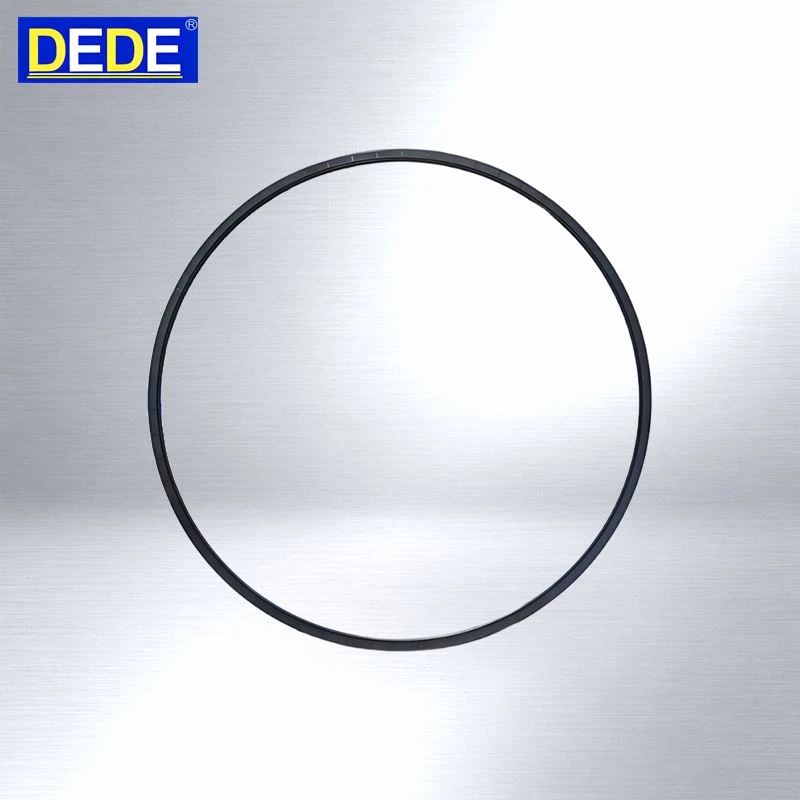
On the other hand, the Wind Turbine Main Shaft Seal needs to be much larger. Main shaft diameters in modern wind turbines typically range from 200mm to 1000mm, depending on the size and capacity of the turbine. Larger turbines with higher power outputs usually have bigger main shafts, and thus, require larger oil seals.
Inner and Outer Diameters
The inner diameter of the oil seal is designed to match the shaft diameter precisely. It needs to have a tight fit around the shaft to prevent oil leakage. The outer diameter of the seal is determined by the housing in which it is installed. For example, in a typical wind turbine gearbox, an oil seal with an inner diameter of 50mm might have an outer diameter of around 70 - 80mm, depending on the specific design of the gearbox housing.
Width
The width of the oil seal is also an important parameter. A wider seal can provide better stability and sealing performance, especially in high - pressure or high - speed applications. In wind turbines, seal widths can range from 5mm to 20mm. For seals used in the main shaft, which are subject to high loads and vibrations, a wider seal is often preferred.
Factors Affecting Size Selection
It's not just about the standard sizes. There are several factors that can influence the selection of the right - sized wind energy oil seal.
Turbine Capacity
As mentioned earlier, larger wind turbines with higher power capacities generally require larger oil seals. This is because they have bigger components, such as larger main shafts and gearboxes, which need appropriate - sized seals to function correctly.
Operating Conditions
The environment in which the wind turbine operates plays a big role. If a turbine is located in a very dusty or wet area, the oil seals need to be more robust and may require specific sizes or designs. For example, seals in a coastal wind farm might need to be larger and made of more corrosion - resistant materials to withstand the salty air.
Rotational Speed
The rotational speed of the shaft also affects the seal size. Higher - speed shafts require seals that can withstand the centrifugal forces and heat generated. These seals might need to have a different size and design to ensure proper sealing and longevity.
Our Offerings as a Supplier
As a supplier of Wind Energy Oil Seals, we offer a wide range of sizes to meet the diverse needs of the wind energy industry. We understand that every wind turbine is unique, and we're committed to providing the right - sized seals for your specific application. Whether you need a small seal for an auxiliary system or a large one for the main shaft, we've got you covered.
Our seals are made from high - quality materials that can withstand the harsh operating conditions of wind turbines. We use advanced manufacturing techniques to ensure the precision and reliability of our products. And we're not just about selling seals; we also provide technical support and advice to help you select the best - fitting seal for your wind turbine.
Quality Control and Assurance
We take quality control seriously. Every Wind Turbine Oil Seal that leaves our facility goes through a rigorous testing process. We check for dimensional accuracy, sealing performance, and durability. Our quality control team uses state - of - the - art equipment to ensure that our seals meet or exceed the industry standards.
Connecting with Us for Your Needs
If you're in the market for wind energy oil seals, whether it's for a new wind turbine installation or a replacement part for an existing one, we'd love to hear from you. We're always ready to have a chat about your specific requirements and help you find the perfect seal for your project. You can reach out to us to discuss your needs and start a procurement - related conversation.
Conclusion
In conclusion, understanding the standard sizes of wind energy oil seals is crucial for the efficient operation of wind turbines. While there are common standard sizes available, various factors such as turbine capacity, operating conditions, and rotational speed need to be considered when selecting the right seal. As a supplier, we're here to provide high - quality seals in a wide range of sizes and offer the support you need to make the best choice. So, if you're looking for reliable wind energy oil seals, don't hesitate to contact us.
References
- Industry reports on wind turbine component standards
- Manufacturer guidelines for wind energy oil seals
- Research papers on wind turbine performance and maintenance