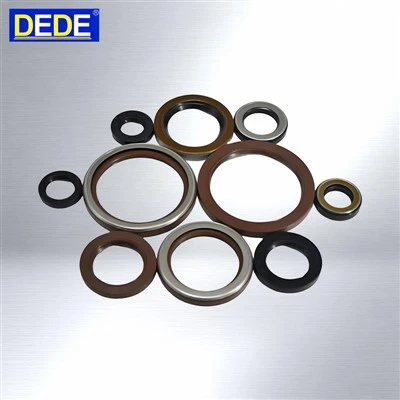

Hey there! As a supplier of Wind Energy Oil Seal, I often get asked about what kind of maintenance these seals need. Wind energy is booming, and ensuring the longevity and efficient operation of wind turbines is super important. That's where proper maintenance of oil seals comes in.
Let's first understand the role of wind energy oil seals. These seals are crucial components in wind turbines. They prevent the leakage of lubricating oil from gearboxes, generators, and other critical parts, while also keeping out dust, dirt, and moisture. If they don't work right, all sorts of problems can pop up, like reduced efficiency, mechanical wear, and even complete failure.
Regular Visual Inspections
One of the simplest yet most effective maintenance tasks is regular visual inspections. You don't need fancy tools for this. Just take a good look at the Wind Turbine Oil Seal. Check for any signs of wear, such as cracks, tears, or deformation. If you notice any damage, it's a sign that the seal might need to be replaced soon.
During these inspections, pay close attention to the seal lips. These are the parts that come into contact with the rotating shaft, and they're prone to wear over time. If the seal lips are worn out, they won't be able to create a proper seal, which can lead to oil leakage. You can also look for signs of oil leakage around the seal area. If you see oil stains or a build - up of oil, it's a clear indication that something's wrong.
Lubrication Checks
Lubrication is key for the proper functioning of wind energy oil seals. The right amount of lubricant reduces friction between the seal and the shaft, which in turn reduces wear and tear. You should check the lubricant level regularly and make sure it's at the recommended level.
But it's not just about the quantity. The quality of the lubricant matters too. Over time, lubricants can break down, become contaminated with dirt and debris, or lose their lubricating properties. So, you should also check the condition of the lubricant. If it looks dirty, has changed its color, or has a strange odor, it might be time to change it.
When changing the lubricant, make sure to use the type recommended by the seal manufacturer. Using the wrong lubricant can cause compatibility issues, which can damage the seal and reduce its performance.
Temperature and Pressure Monitoring
Wind energy oil seals operate under varying temperature and pressure conditions. Extreme temperatures can cause the seal material to expand or contract, which can affect its sealing performance. High pressures can also put additional stress on the seal.


That's why it's important to monitor the temperature and pressure in the areas where the seals are installed. You can use sensors to keep track of these parameters. If the temperature or pressure goes outside the normal range, it could be a sign of a problem. For example, if the temperature is too high, it could indicate excessive friction, which might be due to a worn - out seal or a lack of lubrication.
Shaft Surface Condition
The condition of the shaft surface also plays a big role in the performance of Wind Turbine Shaft Seal. A rough or damaged shaft surface can cause the seal to wear out more quickly. So, you should check the shaft surface regularly for any signs of damage, such as scratches, grooves, or corrosion.
If you find any damage on the shaft surface, it's important to repair it as soon as possible. You can use polishing or grinding techniques to smooth out the surface. In some cases, you might need to replace the shaft if the damage is too severe.
Proper Installation
Proper installation is the foundation of good seal performance. If the seal is installed incorrectly, it won't be able to function properly, even if you do all the other maintenance tasks right.
Make sure to follow the manufacturer's installation instructions carefully. This includes cleaning the installation area thoroughly, using the right tools for installation, and applying the correct amount of force. Improper installation can cause the seal to be misaligned, which can lead to premature wear and leakage.
Storage and Handling
Before the seals are installed in the wind turbines, they need to be stored and handled properly. Storing seals in the wrong conditions can damage them. For example, exposing seals to direct sunlight, high temperatures, or humid environments can cause the seal material to deteriorate.
Seals should be stored in a cool, dry place, away from direct sunlight and sources of heat. They should also be protected from dust and dirt. When handling the seals, make sure to wear clean gloves to prevent contamination.
Maintenance Schedule
Creating a regular maintenance schedule is a great way to ensure that all the necessary maintenance tasks are carried out on time. A maintenance schedule can help you keep track of when visual inspections should be done, when lubricant should be checked and changed, and when other maintenance tasks are due.
You can base your maintenance schedule on the manufacturer's recommendations, as well as the operating conditions of the wind turbines. For example, if a wind turbine is operating in a harsh environment with a lot of dust and dirt, you might need to do more frequent inspections.
Importance of Quality Seals
Investing in high - quality Wind Power Seal can make a big difference in terms of maintenance. High - quality seals are made from better materials, which are more resistant to wear, corrosion, and extreme temperatures. They also have better sealing performance, which means less leakage and less maintenance in the long run.
As a supplier, I always recommend that my customers choose seals from reliable manufacturers. While high - quality seals might cost a bit more upfront, they can save you a lot of money in terms of reduced maintenance and downtime in the future.
When to Replace Seals
So, how do you know when it's time to replace a wind energy oil seal? There are a few signs to look out for. Besides the obvious ones like severe wear, cracks, or oil leakage, you can also pay attention to changes in the performance of the wind turbine. If you notice a decrease in efficiency, unusual noises, or vibrations, it could be due to a faulty seal.
It's also a good idea to replace seals at regular intervals, even if they don't show any obvious signs of damage. Over time, the materials in the seals can degrade, and their performance can decline. By replacing seals proactively, you can prevent more serious problems from occurring.
Contact for Quality Seals
If you're in the market for high - quality Wind Turbine Main Shaft Seal or other wind energy oil seals, and want to learn more about maintenance or make a purchase, don't hesitate to reach out. We're here to help you keep your wind turbines running smoothly.
References
- Wind Turbine Maintenance Handbook, various industry publications.
- Seal Manufacturer Guides on Wind Energy Oil Seals.