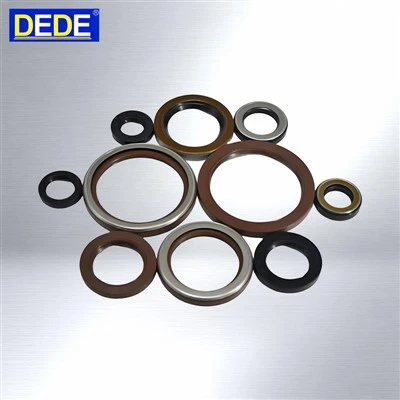

What is the leakage rate of TCN TCV seal?
As a trusted supplier of TCN TCV seals, I often encounter inquiries from clients regarding the leakage rate of these essential industrial components. Understanding the leakage rate of TCN TCV seals is crucial for various applications where preventing fluid loss and maintaining system integrity are of utmost importance. In this blog post, I will delve into the concept of leakage rate, factors affecting it, and how TCN TCV seals perform in this regard.
Defining Leakage Rate
The leakage rate of a seal refers to the volume of fluid that escapes past the seal per unit of time under specific operating conditions. It is typically measured in units such as milliliters per minute (ml/min) or cubic centimeters per hour (cc/hr). A low leakage rate indicates that the seal is effectively containing the fluid within the system, while a high leakage rate may suggest a faulty or inappropriate seal.
Factors Affecting the Leakage Rate of TCN TCV Seals
Several factors can influence the leakage rate of TCN TCV seals. Understanding these factors is essential for selecting the right seal for a particular application and ensuring optimal performance.
Pressure
One of the most significant factors affecting the leakage rate is the pressure differential across the seal. As the pressure increases, the force exerted on the seal also increases, making it more challenging to maintain a tight seal. TCN TCV seals are designed to withstand high pressures, but extreme pressure conditions may still lead to increased leakage. Our High Pressure Shaft Seal and High Pressure Oil Seal are specifically engineered to perform well under high-pressure environments, minimizing the leakage rate.
Temperature
Temperature can also have a profound impact on the leakage rate of seals. Extreme temperatures can cause the seal material to expand or contract, affecting its ability to maintain a proper fit and seal. TCN TCV seals are available in a variety of materials with different temperature resistance properties. For applications operating at high temperatures, our seals are made from temperature-resistant polymers that can withstand the heat without compromising their sealing performance.
Fluid Properties
The properties of the fluid being sealed, such as viscosity, lubricity, and chemical composition, can also affect the leakage rate. Highly viscous fluids may be more difficult to seal, while corrosive or abrasive fluids can damage the seal material over time, leading to increased leakage. Our Pressure Resistant Oil Seal is designed to handle a wide range of fluids, including oils, greases, and hydraulic fluids, providing reliable sealing performance.
Surface Finish
The surface finish of the shaft or housing where the seal is installed can significantly impact the leakage rate. A rough or uneven surface can cause the seal to wear prematurely or fail to form a proper seal, resulting in increased leakage. It is essential to ensure that the mating surfaces are smooth and free of defects to achieve the best sealing performance.
Installation
Proper installation is critical for minimizing the leakage rate of TCN TCV seals. Incorrect installation, such as over-tightening or misalignment, can damage the seal and cause it to leak. Our technical support team can provide guidance on the correct installation procedures to ensure that the seals are installed correctly and perform as expected.
Measuring the Leakage Rate of TCN TCV Seals
Measuring the leakage rate of TCN TCV seals requires specialized equipment and techniques. One common method is to use a flow meter to measure the volume of fluid that escapes past the seal over a specific period. Another method is to use a pressure sensor to monitor the pressure drop across the seal, which can indicate the presence of leakage.
In our manufacturing process, we conduct rigorous testing on all our TCN TCV seals to ensure that they meet the required leakage rate standards. We use state-of-the-art testing equipment and procedures to simulate real-world operating conditions and accurately measure the leakage rate. Our quality control team carefully inspects each seal before it is shipped to ensure that it meets our high standards of quality and performance.
Performance of TCN TCV Seals
TCN TCV seals are known for their excellent sealing performance and low leakage rates. Our seals are designed using advanced engineering techniques and high-quality materials to provide reliable and long-lasting sealing solutions. Whether you are looking for a TCN Oil Seal or a TCV Oil Seal, our products are engineered to meet the demanding requirements of various industrial applications.
In addition to their low leakage rates, TCN TCV seals offer several other benefits, including high wear resistance, chemical resistance, and temperature resistance. These seals are designed to operate in harsh environments and provide reliable sealing performance for extended periods.
Importance of Low Leakage Rate in Industrial Applications
A low leakage rate is essential for many industrial applications for several reasons. Firstly, it helps to prevent fluid loss, which can be costly and wasteful. In applications where the fluid is expensive or environmentally hazardous, minimizing leakage is crucial for economic and environmental reasons. Secondly, a low leakage rate helps to maintain the integrity of the system by preventing contaminants from entering the system. This is particularly important in applications where the fluid is used for lubrication or hydraulic power transmission. Finally, a low leakage rate helps to ensure the safety of the system by preventing leaks that could lead to equipment failure or accidents.
Conclusion
In conclusion, the leakage rate of TCN TCV seals is an important factor to consider when selecting a seal for your industrial application. Understanding the factors that affect the leakage rate and choosing the right seal for your specific requirements is essential for ensuring optimal performance and reliability. As a leading supplier of TCN TCV seals, we are committed to providing high-quality products that meet the highest standards of performance and reliability. Our Pressure Resistant Oil Seal, TCN Oil Seal, High Pressure Shaft Seal, High Pressure Oil Seal, and TCV Oil Seal are designed to provide reliable sealing solutions with low leakage rates.
If you are interested in learning more about our TCN TCV seals or have any questions regarding our products, please feel free to contact us. Our experienced sales team will be happy to assist you in selecting the right seal for your application and provide you with a competitive quote. We look forward to the opportunity to work with you and provide you with the best sealing solutions for your industrial needs.


References
- "Sealing Technology Handbook" by John T. Dickson
- "Industrial Seals: Theory and Practice" by Michael Budzinski