
Can rubber o ring cord be used in hydraulic systems? That's a question I get a lot as a rubber o ring cord supplier. In this blog, I'm gonna break it down for you and tell you everything you need to know about using rubber o ring cord in hydraulic systems.
What is Rubber O Ring Cord?
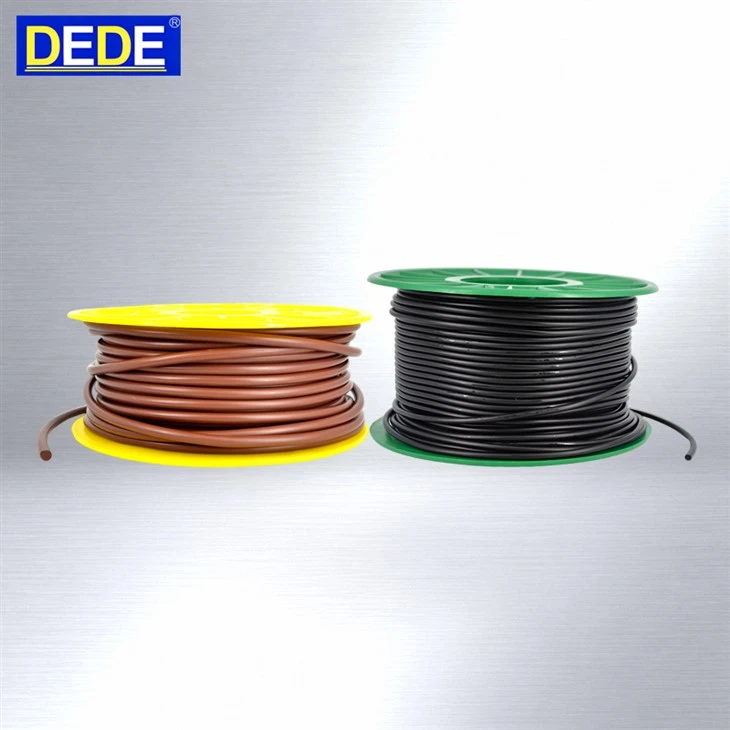
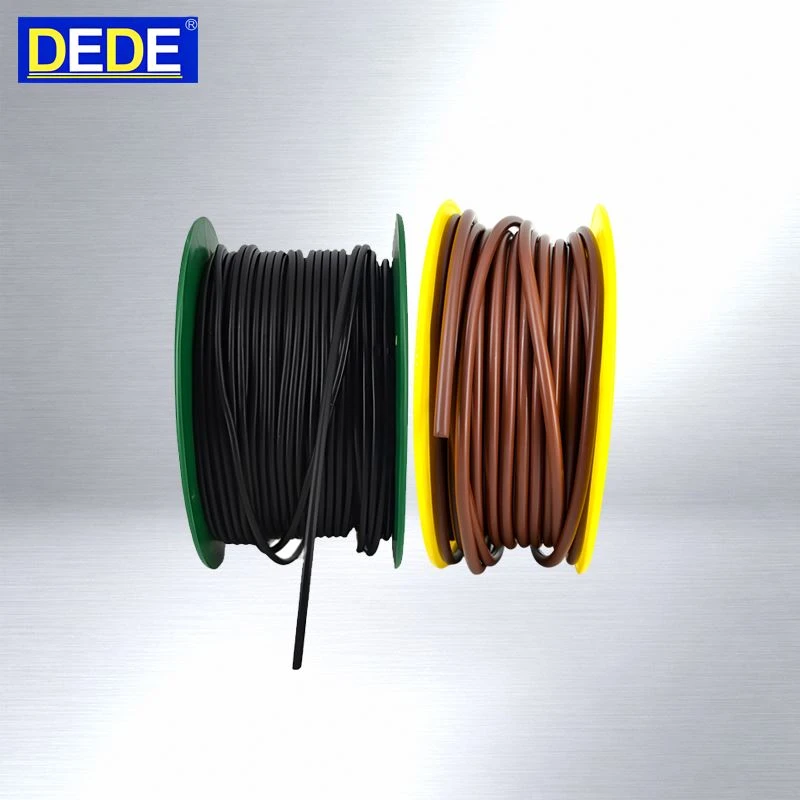
First off, let's talk about what rubber o ring cord is. It's basically a continuous length of rubber material that can be cut and joined to form O - rings. You can find it in various shapes and sizes, like O Ring Making Cord, O Ring Cord Roll, O Ring Rope, O Ring Cord Stock, and O Ring Strip. This flexibility makes it a popular choice for many applications.
Hydraulic Systems: A Quick Overview
Hydraulic systems use pressurized fluid to transmit power. They're found in all sorts of machinery, from construction equipment to airplanes. These systems require seals that can withstand high pressures, different temperatures, and the specific fluids they use, like hydraulic oil.
Can Rubber O Ring Cord Work in Hydraulic Systems?
The short answer is yes, rubber o ring cord can be used in hydraulic systems, but there are some important factors to consider.
Material Compatibility
The first thing you gotta think about is the material of the rubber o ring cord. Hydraulic fluids can be pretty harsh, and not all rubber materials can handle them. For example, nitrile rubber (NBR) is a common choice because it has good resistance to hydraulic oil. It can stand up to the oil's chemical properties and maintain its shape and sealing ability. On the other hand, some rubbers might swell or degrade when they come into contact with certain hydraulic fluids. So, you need to make sure the rubber material you choose is compatible with the specific fluid in your hydraulic system.
Pressure Resistance
Hydraulic systems operate under high pressures. The rubber o ring cord you use has to be able to handle these pressures without failing. The cord's cross - sectional size and the quality of the rubber play a big role in its pressure - resistance capabilities. A thicker cord generally has better pressure - holding ability, but you also have to make sure it fits properly in the system. If the cord is too thick, it might not fit in the groove, and if it's too thin, it won't be able to seal effectively under pressure.
Temperature Range
Hydraulic systems can get pretty hot, especially during long - term operation. The rubber o ring cord needs to be able to maintain its elasticity and sealing properties over a wide range of temperatures. Some rubbers are better suited for high - temperature applications than others. For example, fluorocarbon rubber (FKM) can handle much higher temperatures compared to nitrile rubber. So, you need to know the temperature range of your hydraulic system and choose a rubber o ring cord that can perform well within that range.
Advantages of Using Rubber O Ring Cord in Hydraulic Systems
Customizability
One of the biggest advantages of using rubber o ring cord in hydraulic systems is its customizability. You can cut the cord to the exact length you need and create O - rings of different sizes. This is really useful when you have a hydraulic system with non - standard O - ring requirements. Instead of searching for a pre - made O - ring that might not be a perfect fit, you can make your own with the cord.
Cost - Effectiveness
Buying rubber o ring cord can be more cost - effective than purchasing pre - made O - rings, especially for large - scale projects. You only pay for the amount of cord you need, and you can make multiple O - rings from a single roll of cord. This can save you a lot of money in the long run.
Ease of Installation
Installing rubber o ring cord is relatively easy. You just cut it to the right length, join the ends, and place it in the groove. This is much simpler than dealing with some complex pre - made seals that might require special tools or techniques for installation.
Challenges and How to Overcome Them
Joining the Cord
One of the challenges of using rubber o ring cord is joining the ends to form a complete O - ring. If the joint is not done properly, it can lead to leaks in the hydraulic system. To overcome this, you can use special adhesives or bonding methods that are designed for the specific rubber material. Make sure to follow the manufacturer's instructions carefully to ensure a strong and leak - free joint.
Quality Control
Since you're making your own O - rings from the cord, quality control is crucial. You need to inspect the cord for any defects, such as cracks or unevenness. Also, make sure the cross - sectional size of the cord is consistent throughout. This will help ensure that the O - rings you make will perform well in the hydraulic system.
Tips for Using Rubber O Ring Cord in Hydraulic Systems
- Choose the Right Material: As mentioned earlier, material compatibility is key. Do some research or consult with a professional to figure out the best rubber material for your hydraulic system.
- Measure Twice, Cut Once: Make sure to measure the groove dimensions accurately before cutting the cord. A slight error in measurement can lead to a poor - fitting O - ring.
- Keep it Clean: Before installing the O - ring, make sure the groove and the cord are clean. Any dirt or debris can affect the sealing performance.
Conclusion
So, to sum it up, rubber o ring cord can definitely be used in hydraulic systems, but you have to be careful about material selection, pressure resistance, and temperature range. With the right approach, it offers many advantages like customizability, cost - effectiveness, and easy installation.
If you're interested in using rubber o ring cord for your hydraulic systems, don't hesitate to reach out for more information and to start a procurement discussion. We're here to help you find the perfect solution for your needs.
References
- "Hydraulic Seals Handbook" - A comprehensive guide on seals used in hydraulic systems.
- Manufacturer's specifications of different rubber materials for O - ring cords.