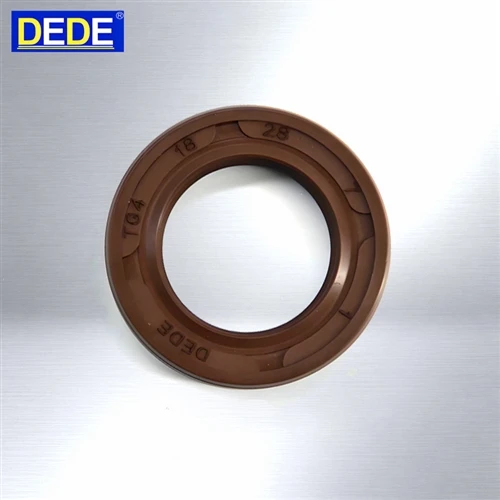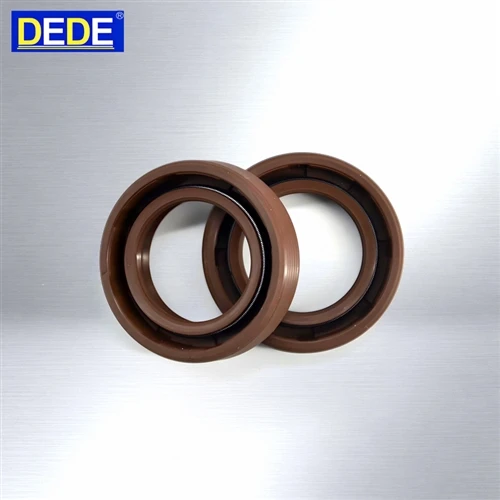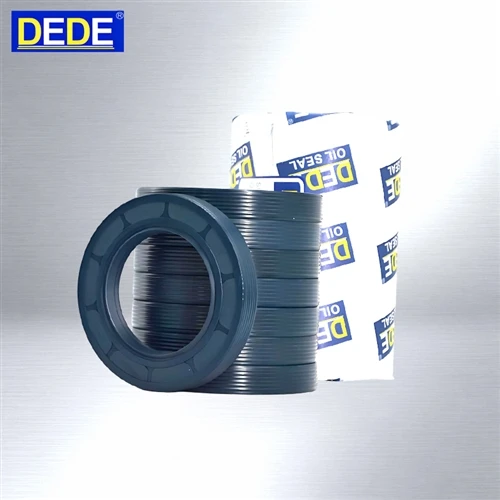
There is no single industry standard for rubber rings; specifications are determined primarily by material, application, structural design, and operating environment. Taking sealing rings for construction machinery and washing machines as examples, common standards cover aspects such as dimensions, tolerances, hardness, tensile strength, aging resistance, and sealing performance.
Regarding dimensions, rubber rings must generally comply with specific product standards governing inner diameter, outer diameter, cross-sectional dimensions, and dimensional tolerances. For O-rings, specific attention must also be paid to the dimensions of the sealing groove and installation clearances. Excessive dimensional deviation can lead to installation difficulties or issues such as poor sealing, oil leaks, or water leaks. Consequently, inspections during production require the use of calipers, micrometers, and specialized measuring tools.
In terms of material properties, key indicators such as hardness, tensile strength, elongation at break, compression set, and aging resistance are typically tested. Requirements vary by material; for instance, nitrile rubber is valued for its oil resistance, EPDM is better suited for water and aging resistance, and silicone rubber offers superior resistance to high and low temperatures. Actual production must adhere to the relevant national, industry, or corporate standards applicable to the specific product.
Rubber rings must also meet specific operational requirements based on the product-such as a washing machine or a piece of construction machinery. Washing machine seals, for example, must prioritize resistance to water, detergents, and temperature fluctuations, as well as aging resistance. Conversely, hydraulic seals for construction machinery focus more on high-pressure resistance, wear resistance, oil resistance, and extrusion resistance. Therefore, when selecting or manufacturing rubber rings, one should not rely solely on a single metric like hardness or size; instead, a comprehensive assessment based on product standards, material specifications, and the actual operating environment is essential.