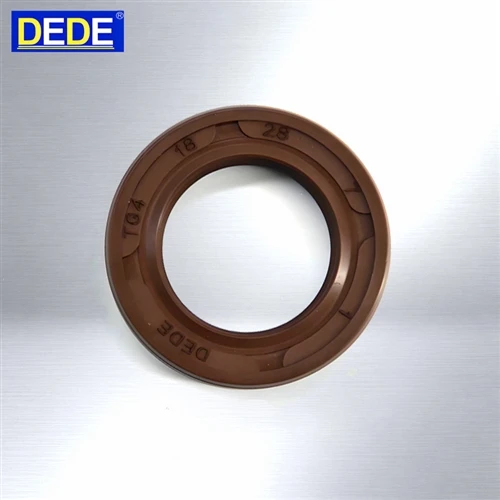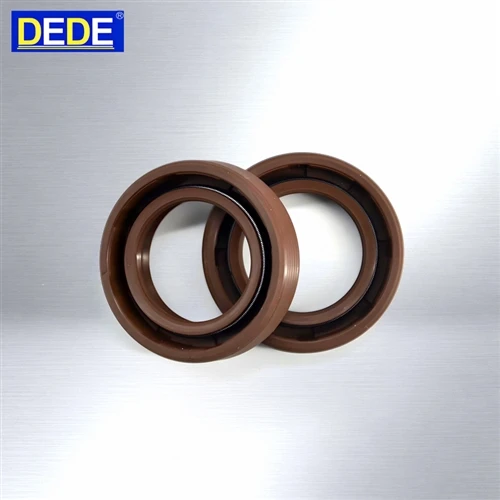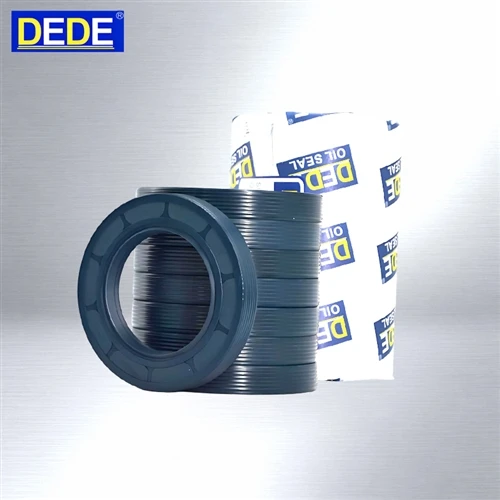
The manufacturing of industrial seals begins with the selection of suitable materials based on the operating environment and performance requirements. Common materials include nitrile rubber, fluoroelastomer, silicone rubber, polyurethane, and PTFE; each offers distinct characteristics regarding oil resistance, high-temperature resistance, wear resistance, and corrosion resistance. Once the material is selected, raw materials undergo inspection and pretreatment-such as impurity removal and precise compounding-to prepare for subsequent processing.
Typical manufacturing steps include compounding, calendering, or extrusion. During compounding, raw rubber, fillers, plasticizers, and vulcanizing agents are fed into the equipment in specific proportions to ensure thorough mixing of all components. After compounding, an appropriate molding method-such as compression molding or extrusion-is selected based on the seal's structure and dimensions to shape the material into the basic product form. Precise control of temperature, pressure, and duration during molding is essential to ensure dimensional stability and a smooth surface finish.
The molded seals undergo vulcanization, a critical stage that determines the performance of rubber products. Subjecting the rubber to specific temperatures and pressures triggers internal cross-linking reactions, thereby enhancing the material's elasticity, strength, and wear resistance. Vulcanization parameters must be adjusted according to the material type and product specifications; improper conditions can lead to issues such as deformation, uneven hardness, or degraded performance. Seals made from certain specialized materials may require additional processing steps, such as sintering or heat treatment.
Finished seals undergo trimming, cleaning, and surface finishing, followed by testing against product standards for dimensions, hardness, tensile strength, compression set, and sealing performance. Industrial seals with stringent requirements undergo further performance testing under specific temperature, medium, and pressure conditions. Once they pass inspection, the seals are packaged and placed in storage, ensuring reliable sealing performance and a long service life during actual equipment operation.