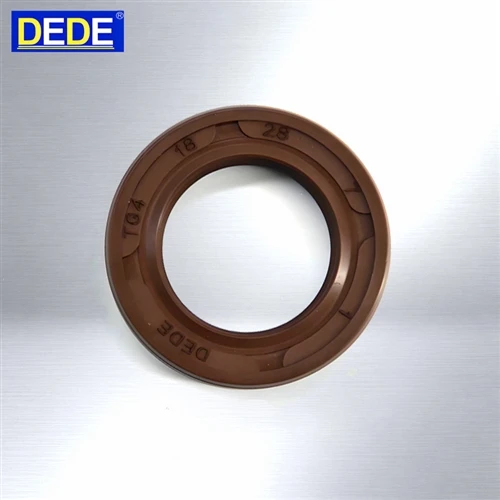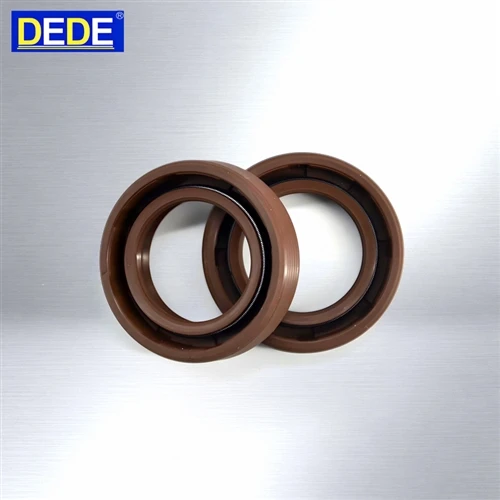
Rubber rings offer excellent elasticity, flexibility, and sealing capabilities, making them common sealing components in machinery, home appliances, automobiles, and piping systems. They function primarily by utilizing the material's elastic deformation under load to maintain a tight fit against contact surfaces, thereby preventing the ingress or leakage of liquids, gases, and dust through gaps.
Rubber rings possess good wear resistance and dimensional stability, enabling them to withstand repeated compression, stretching, and friction under normal operating conditions. Different rubber materials offer distinct properties; for instance, nitrile rubber provides superior oil resistance, EPDM rubber excels in water and aging resistance, and silicone rubber offers excellent resistance to high and low temperatures. Consequently, the appropriate rubber material must be selected based on the specific operating environment.
Rubber rings also provide effective cushioning and vibration damping. When subjected to pressure or external forces, the rubber deforms elastically and returns to its original shape once the force is removed. This characteristic allows the ring to not only provide a seal but also minimize direct impact and vibration between components, thereby enhancing equipment operational stability.
However, rubber rings do have certain limitations. Prolonged exposure to high or low temperatures, highly corrosive media, or ultraviolet (UV) radiation can lead to issues such as aging, hardening, cracking, and loss of elasticity. Therefore, material selection should be based on actual operating conditions, and regular inspection and maintenance are essential to ensure the sealing performance and service life of the rubber rings.