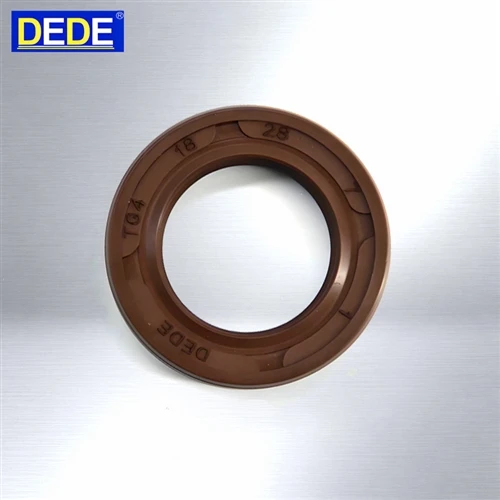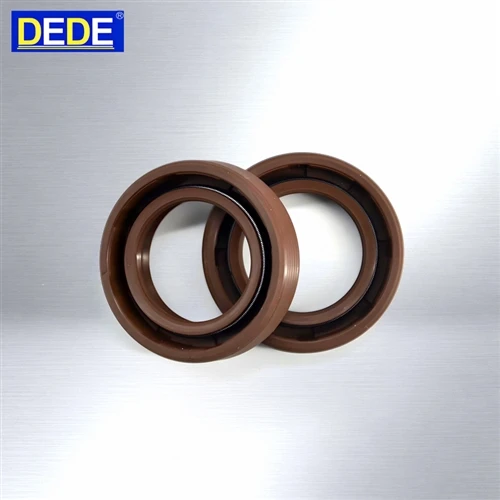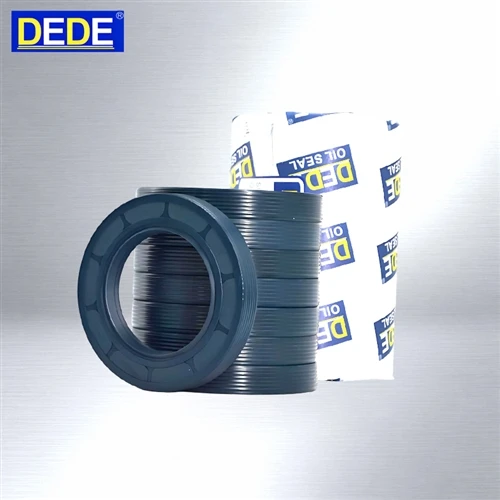
Technical parameters for industrial seals primarily reflect product dimensions, materials, and operational performance; they are critical factors to consider when selecting and using seals. Common parameters include inner diameter, outer diameter, cross-sectional dimensions, hardness, operating pressure, operating temperature, and compatible media. As seal structures vary by type, specific parameters differ, requiring selection based on the actual equipment involved.
Dimensional parameters-such as inner diameter, outer diameter, thickness, and installation dimensions-are fundamental technical specifications for industrial seals. Seals must maintain a proper fit with the equipment's seal grooves, shafts, or cylinder bodies. Excessive dimensional deviation can lead to installation difficulties, poor sealing, or excessive operational friction. Therefore, accurate measurement of the installation site and adherence to product specifications are essential during the selection process.
Operating pressure and temperature are crucial parameters affecting seal performance. Seals made from different materials and with varying structures have different pressure tolerances; in high-pressure environments, extrusion resistance is a key consideration. Furthermore, extreme temperatures can alter material elasticity and hardness, necessitating the selection of materials suited to the equipment's actual temperature range. These parameters are particularly critical for hydraulic, pneumatic, and high-temperature equipment.
Other important technical parameters include material hardness, wear resistance, oil resistance, water resistance, corrosion resistance, and compression set. For instance, nitrile rubber typically offers excellent oil resistance, EPDM rubber excels in water and aging resistance, and polyurethane provides superior wear resistance. When selecting a seal, one should not rely on a single parameter but rather consider the equipment's pressure, temperature, media, movement speed, and operating environment to choose a seal that matches the specific working conditions.