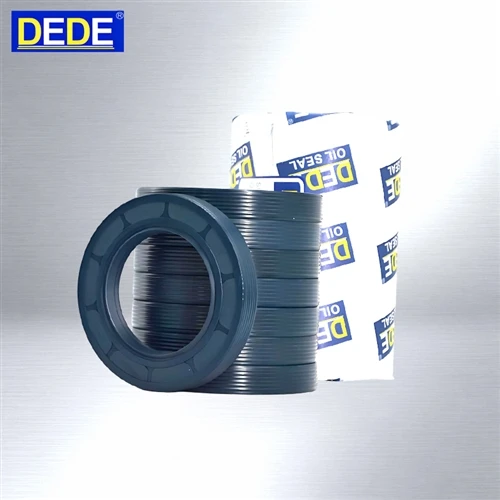
Although industrial seals are small components within mechanical equipment, environmental considerations must be addressed throughout their production, use, and disposal. As industrial standards for energy conservation and emission reduction rise, seals must not only meet basic leak-prevention requirements but also prioritize material safety, service life, and resource efficiency. Enhancing the overall performance of seals helps mitigate environmental pollution caused by fluid leakage during equipment operation.
Eco-friendly industrial seals place greater emphasis on material safety and durability. While ensuring essential properties such as wear, oil, and temperature resistance, manufacturers can select rubber and polymer materials that meet environmental standards and carefully manage the use of additives during production. Stable material properties allow seals to maintain effective sealing performance over extended periods, thereby reducing the volume of waste generated by frequent replacements.
Extending the service life of seals is another key aspect of environmental sustainability. Seals prone to aging, wear, or cracking require frequent replacement, which not only increases maintenance costs for enterprises but also generates more waste. Consequently, improving material formulations, optimizing product design, and enhancing manufacturing precision can boost wear and aging resistance, reduce replacement frequency, and lower resource consumption at the source.
Energy and material waste can also be minimized during manufacturing through process improvements and enhanced production management. Examples include optimizing raw material usage, properly sorting and processing production offcuts, and increasing product yield rates. Furthermore, used seals that have reached the end of their service life should be appropriately recycled or disposed of based on their material composition. By integrating environmental standards across material selection, production, usage, and disposal, the industrial seal sector can advance toward greater energy efficiency, durability, and sustainability.