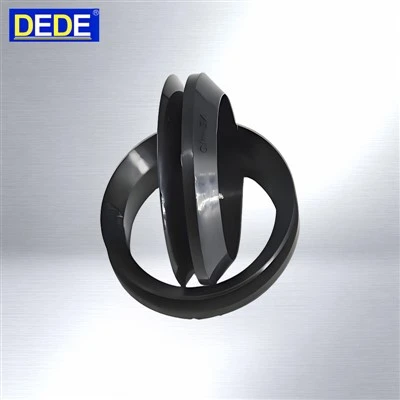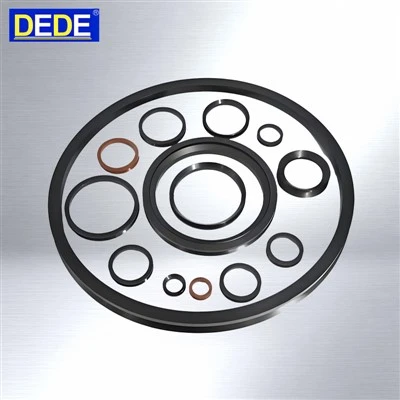

So, you're having some issues with v ring seals, huh? Well, you've come to the right place. As a v ring seal supplier, I've seen my fair share of problems and know just how to troubleshoot them. In this blog, I'll walk you through some common v ring seal problems and how to fix them.
1. Leakage Issues
One of the most common problems with v ring seals is leakage. There are several reasons why your v ring seal might be leaking, and understanding these causes is the first step in troubleshooting.
Incorrect Installation
The way you install your v ring seal matters a lot. If it's not installed properly, it won't form a good seal, and that leads to leakage. You need to make sure the seal is seated correctly in its groove. Sometimes, people forget to align the v ring properly. The v shape is designed to work in a specific direction, and if it's installed backwards or at an angle, leakage can occur.
Solution: Double - check the installation process. Refer to the manufacturer's instructions. Make sure the seal is clean before installation and that the groove it sits in is also free of debris. Use the right tools to install it without damaging the seal.
Wear and Tear
Over time, v ring seals can wear out. The constant friction against the shaft or other components can cause the seal material to degrade. This is especially true if the seal is exposed to harsh environments, such as high temperatures, chemicals, or abrasive particles.
Solution: Inspect the seal regularly. If you notice signs of excessive wear, like cracks, cuts, or thinning of the material, it's time to replace the seal. You can check out our V Seal for high - quality replacement options.
Incompatible Seal Material
Choosing the wrong seal material for your application can also lead to leakage. Different environments require different types of materials. For example, if you have a seal that's exposed to strong chemicals, using a material that isn't resistant to those chemicals will cause the seal to deteriorate quickly.
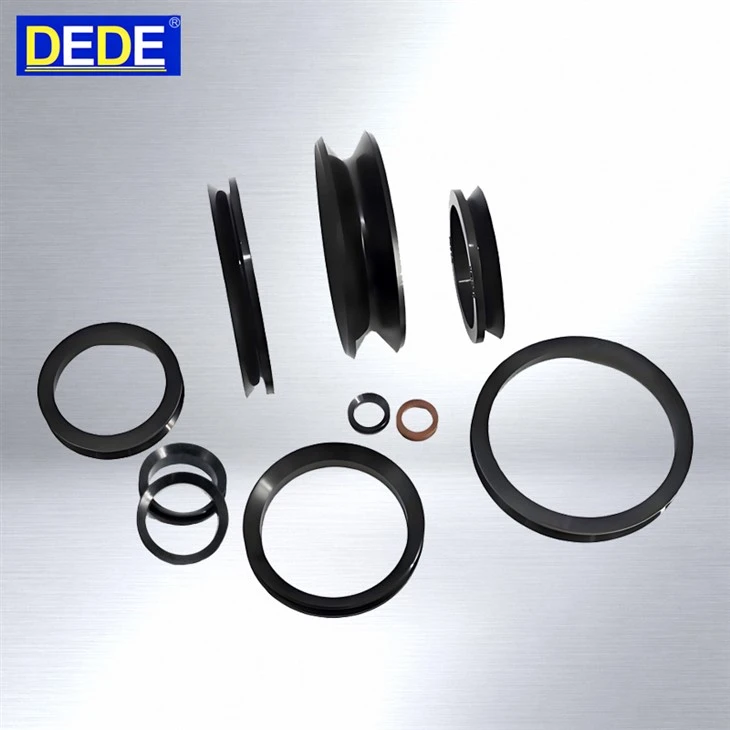
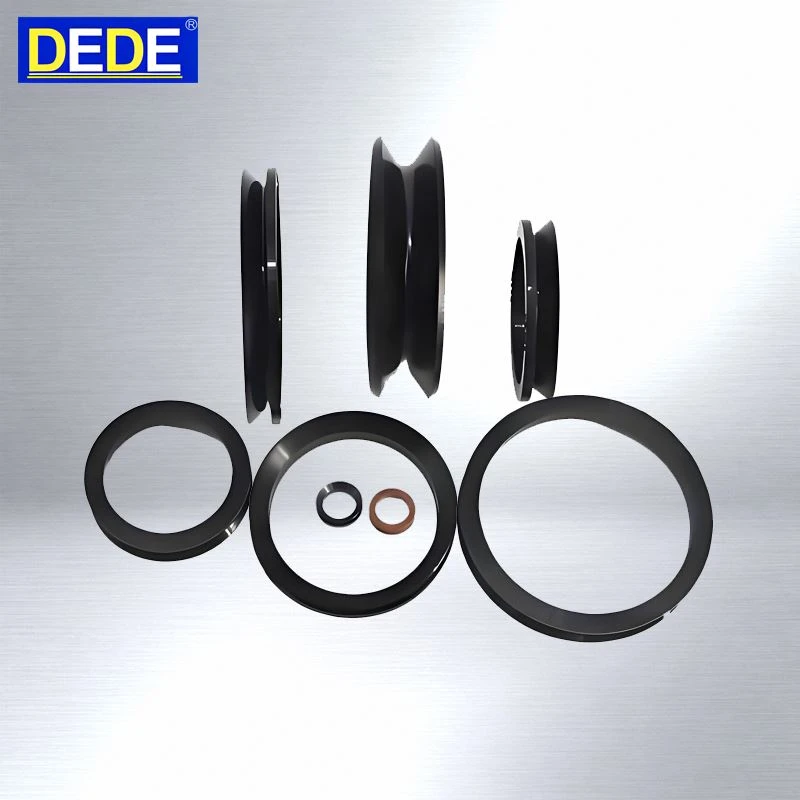
Solution: Consider the operating conditions carefully when selecting a v ring seal. We offer a wide range of seals made from different materials, so you can find the right one that suits your needs.
2. Poor Sealing Performance
Sometimes, the v ring seal might not be fully sealing, even if there's no obvious leakage. This can lead to issues like contamination of the system or loss of pressure.
Lack of Compression
For a v ring seal to work effectively, it needs to be compressed properly. If there's not enough compression, the seal won't be able to form a tight barrier. This can happen if the groove dimensions are incorrect or if the v ring is the wrong size for the application.
Solution: Measure the groove dimensions accurately and ensure you're using the right size of v ring seal. If the groove is too wide or deep, the seal won't get the necessary compression. You can explore our Axial V Ring Seal for seals that are designed to fit different groove specifications.
Shaft Surface Roughness
The surface of the shaft that the v ring seal contacts also affects its performance. If the shaft is too rough, it can damage the seal and prevent it from sealing properly. On the other hand, if the shaft is too smooth, the seal might not have enough grip.
Solution: Check the roughness of the shaft surface. It should be within the recommended range specified by the seal manufacturer. You may need to polish or treat the shaft surface to get the right smoothness.
3. Seal Hardening or Softening
Seal hardening or softening can be a real pain. These issues usually occur due to environmental factors or the wrong choice of seal material.
Hardening
Seal hardening can happen when the seal is exposed to high temperatures for a long time. When the seal hardens, it loses its flexibility, making it less able to adapt to the movements and vibrations in the system. This can lead to leakage and poor sealing.
Solution: If hardening is an issue, you can choose a seal material that can withstand high temperatures. For example, materials like Viton are known for their high - temperature resistance. Check out our V Ring VS for seals that are suitable for high - temperature applications.
Softening
Conversely, seal softening can occur when the seal is in contact with certain chemicals or solvents. Softening makes the seal less rigid, and it can't maintain its shape well, resulting in sealing problems.
Solution: Identify the chemicals or solvents that are causing the softening and choose a more resistant seal material. Our V Ring VA range offers seals with different chemical resistances.
4. Noise and Vibration
Sometimes, you might notice strange noises or vibrations coming from the area where the v ring seal is installed. This can be a sign of a problem.
Misalignment
If the shaft and the housing are misaligned, it can cause the v ring seal to wear unevenly and also generate noise and vibration. Misalignment can occur during installation or due to external forces acting on the system.
Solution: Check the alignment of the shaft and the housing. You may need to realign them using precision tools. Also, make sure all the components are properly secured to prevent further misalignment.
Loose or Damaged Parts
Loose or damaged parts in the vicinity of the v ring seal can also cause noise and vibration. For example, if the retaining ring that holds the v ring in place is loose, it can create a rattle.
Solution: Inspect all the parts around the v ring seal. Tighten any loose components and replace any damaged ones.
Where to go from here?
I hope this blog has given you some useful insights into troubleshooting v ring seal problems. If you're still facing issues or if you need to purchase new v ring seals, don't hesitate to reach out. We're here to help you find the best solutions for your specific needs. Whether it's choosing the right seal material, sizing, or getting replacement parts, we've got you covered. Just contact us to start a discussion about your requirements and let's work together to keep your systems running smoothly.
References
- Industry standards for v ring seal installation and maintenance
- Manufacturer's guidelines for different types of v ring seals