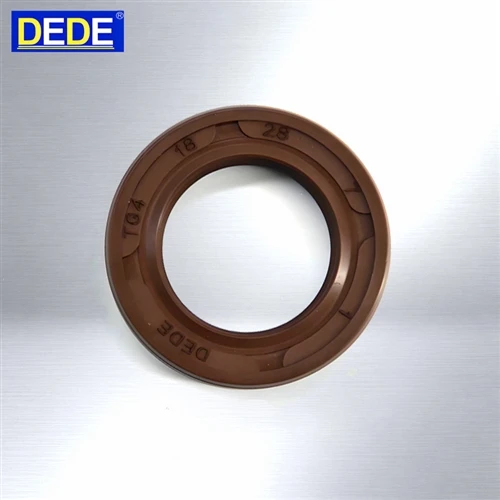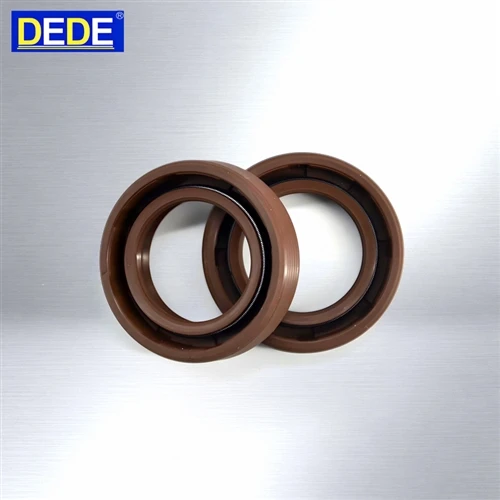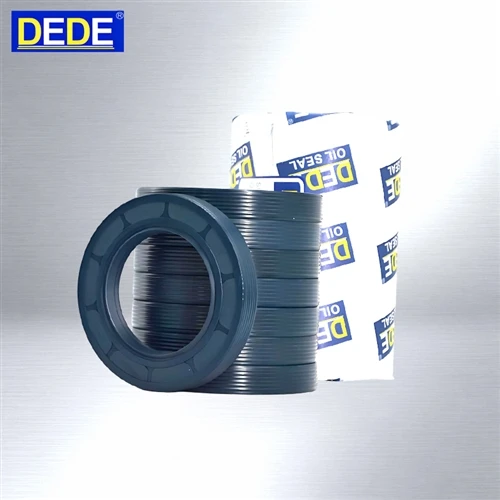
The primary function of industrial seals is to prevent the leakage of liquids, gases, or other working media from within equipment. In components such as pumps, valves, hydraulic systems, compressors, and various mechanical joints, assembly clearances inevitably exist between parts; seals fill these gaps through their inherent elasticity, compressive force, or specialized designs, thereby creating a stable seal that ensures the equipment operates correctly.
Beyond preventing leakage, industrial seals also block external contaminants-such as dust, grit, moisture, and debris-from entering the equipment. For precision components like bearings, gears, and hydraulic systems, the ingress of significant amounts of contaminants can lead to wear, corrosion, and lubrication failure. Installing appropriate seals minimizes the impact of the external environment on internal parts, thereby enhancing operational reliability.
Industrial seals also provide protective and auxiliary functions. During mechanical operation, they reduce lubricant loss and maintain proper internal lubrication, while certain seal designs offer dust protection, cushioning, and isolation capabilities. For equipment involving high-speed rotation or reciprocating motion, the right seals can minimize friction and wear while maintaining effective sealing performance.
Seal performance directly impacts equipment service life and maintenance costs. Poor-quality seals or improper installation can lead to issues such as oil leaks, gas leaks, or water ingress; in severe cases, this may result in equipment downtime or component damage. Therefore, in industrial settings, seals should be carefully selected based on factors such as operating pressure, temperature, the working medium, and the type of motion. Furthermore, routine inspection and maintenance are essential to ensure the long-term, stable operation of the equipment.