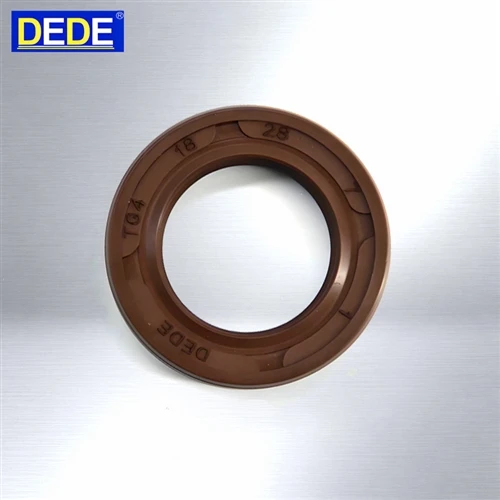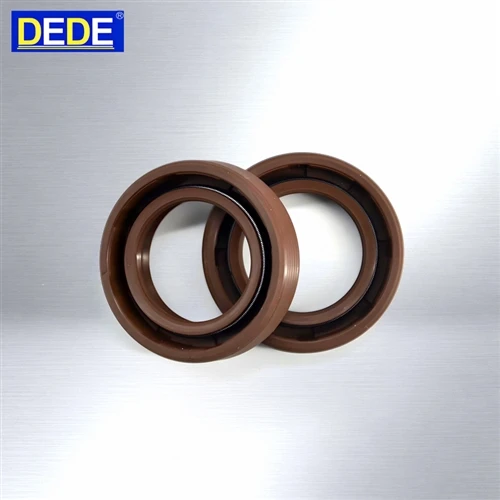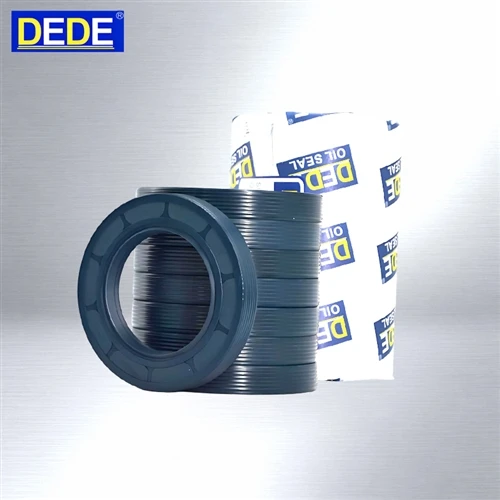
Rubber rings are primarily composed of rubber materials; the specific type of rubber used varies depending on the product's intended application and performance requirements. Common types include natural rubber, nitrile rubber (NBR), ethylene propylene diene monomer (EPDM) rubber, fluoroelastomers (FKM), silicone rubber, and chloroprene rubber (CR). Since different rubbers offer varying levels of resistance to oil, water, temperature extremes, and aging, the material must be selected based on the rubber ring's actual operating environment.
In addition to the base rubber, various compounding agents are incorporated during the manufacturing process. Common additives include reinforcing agents such as carbon black and silica, which enhance the rubber's strength, wear resistance, and tear strength. Plasticizers are also added as needed to maintain the rubber's flexibility and processability, facilitating molding and subsequent use.
Vulcanizing agents are another crucial component in rubber ring production. Raw rubber possesses inherent fluidity; the addition of a vulcanizing agent, combined with heat treatment, creates stable cross-linked structures between rubber molecules, thereby improving the material's elasticity, strength, and heat resistance. Vulcanization systems vary depending on the specific rubber material and must be adjusted according to the formulation.
Rubber rings may also contain antioxidants, accelerators, colorants, and other functional additives. Antioxidants slow the rate of rubber degradation caused by high temperatures, oxygen, and light exposure, while accelerators help control the vulcanization process. Through the strategic combination of various materials and additives, rubber rings can achieve the necessary hardness, elasticity, wear resistance, and sealing performance to meet the operational requirements of diverse products, ranging from industrial machinery to household appliances.