Seals for construction machinery come in a wide variety of types; based on their location and mode of operation, they are broadly categorized into static seals and dynamic seals. Static seals are primarily used between relatively stationary components-such as pipe fittings, flanges, and valve bodies-to prevent the leakage of media like hydraulic fluid and lubricating oil. Dynamic seals, on the other hand, are used in areas involving relative motion, requiring higher levels of wear resistance and stability.
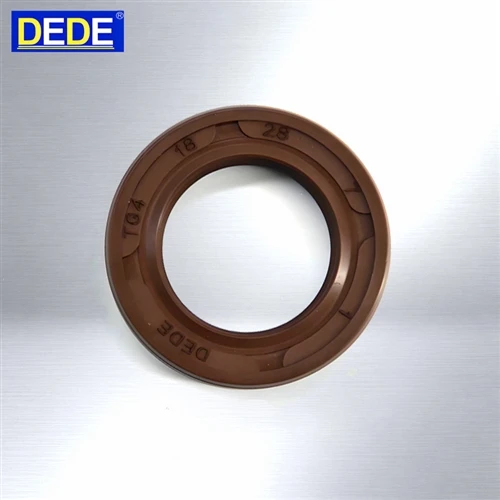
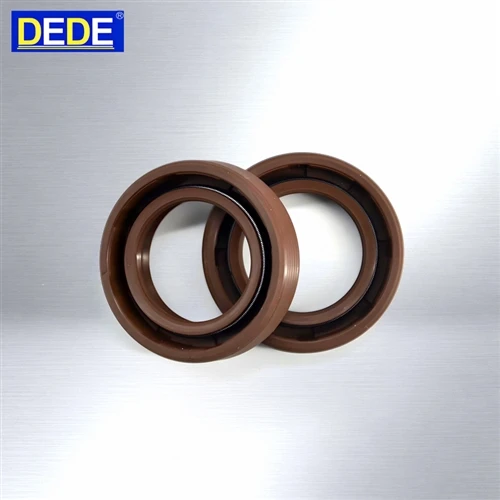
Common structural types include O-rings, oil seals, dust seals (wipers), Y-rings, V-rings, and composite seals. O-rings feature a simple structure and a wide range of applications; oil seals are mainly used for rotating shafts; dust seals are typically installed on hydraulic cylinder piston rods to block dust and debris; and Y-rings and V-rings are frequently used in hydraulic cylinders and reciprocating motion components.
Based on function, these seals can also be classified as leakage-prevention seals, dust seals, and composite seals. Leakage-prevention seals serve to contain working media such as hydraulic fluid and lubricating oil; dust seals prevent external contaminants from entering the equipment; and composite seals combine multiple sealing structures to meet requirements in complex operating conditions.
Seals can also be categorized by manufacturing material, such as rubber, polyurethane, PTFE (polytetrafluoroethylene), and other composite materials. Since different materials offer varying degrees of resistance to temperature, oil, and wear, the selection of the appropriate seal for construction machinery must take into account factors such as operating pressure, temperature, the medium involved, and the mode of motion.