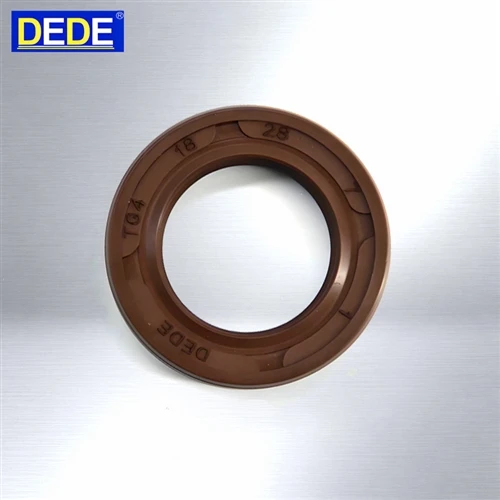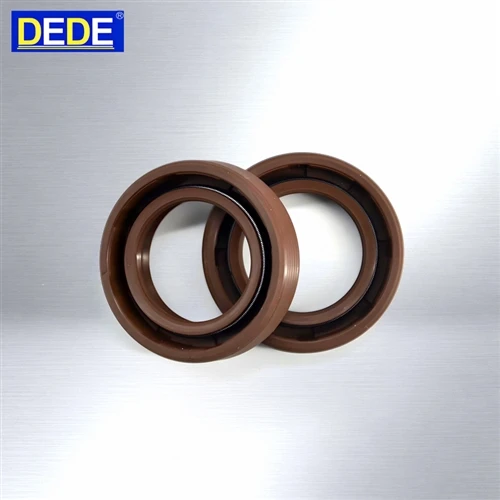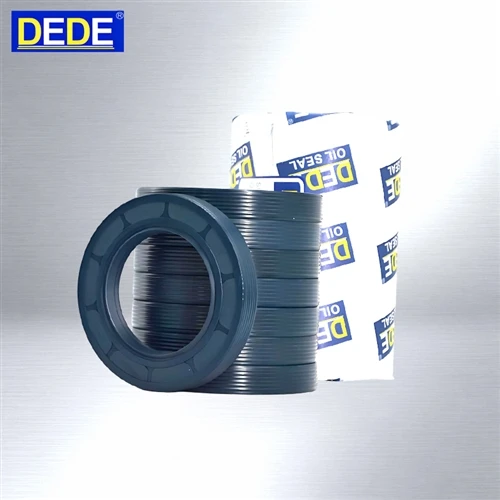
The primary working principle of seals in construction machinery involves utilizing the material's inherent elasticity, compressive force, and the fit between components to create a reliable barrier within the equipment. This barrier prevents the leakage of working fluids-such as hydraulic oil and lubricants-while simultaneously keeping out contaminants like dust, grit, and moisture. Although the structural designs of various seal types differ, their fundamental purpose remains the same: to maintain an effective seal within the equipment.
In static sealing applications, the seal is typically installed at the interface of two stationary components, relying on a specific degree of compression to ensure a tight fit against the contact surfaces. When internal pressure builds, the seal is compressed further against the sealing surface, thereby minimizing fluid leakage through the gap. O-rings, for instance, achieve their sealing function through their own elastic deformation and compressive force.
Dynamic seals are primarily used in components involving relative motion, such as piston rods, pistons, and rotating shafts. Taking hydraulic cylinder seals as an example, the seal maintains contact with the mating surface as the piston rod moves; it must prevent hydraulic oil leakage while also minimizing friction generated during operation. Dust seals are positioned on the exterior to block impurities-such as grit and dust-from entering the hydraulic cylinder.
In actual operation, seals for construction machinery are subjected to various factors, including pressure, temperature, friction, and vibration. Consequently, the material, structure, dimensions, and installation method of the seal all influence its ultimate performance. Only by selecting seals that match the equipment's operating conditions-and ensuring the cleanliness of installation sites and sealing surfaces-can the sealing function be fully realized, thereby reducing oil leaks and equipment failures while ensuring the stable operation of the machinery.